Section
Buying and owning a home in California
Buying and owning a home in California: escrow, Proposition 13, inspections, and the paperwork of a Rancho Santa Fe purchase.
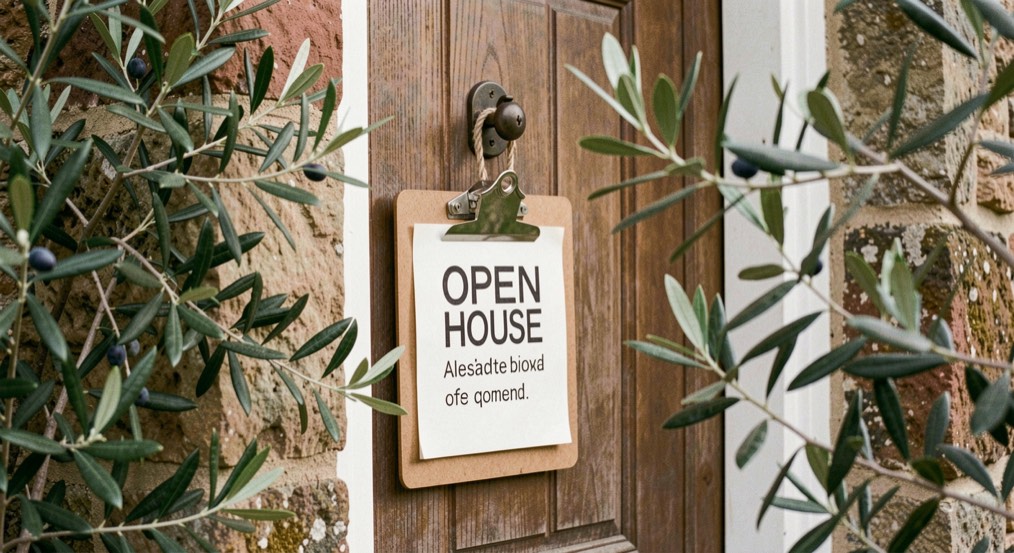
California transacts real estate differently. Escrow, not a closing table, carries the deal; natural hazard disclosures arrive as a bound report; property tax follows rules set by a 1978 ballot measure that still surprises newcomers from states where assessments jump freely. Buying a country property adds another layer: wells, septic systems, propane tanks and fire hardening.
This section explains the system an owner actually lives with. We walk through Proposition 13 and what it does and does not promise, decode the standard home inspection and its limits, and describe the specialty reports a rural estate can require. Nothing here is individual advice: it is orientation, the way a well informed neighbor might explain things over the fence.
Pair these essays with our market section, which covers how to read the numbers before you fall for a house, and our architecture pages, which explain the design review that protects the look of the community you would be joining.
One caution before you read further: nothing in this section is individual advice, and no essay here substitutes for the professionals a California transaction properly involves, from escrow officers to inspectors to tax counsel. Our ambition is narrower and, we think, more durable: that when you sit across a table from those professionals, you already speak enough of the language to ask the questions that matter.
From this section
-
Proposition 13 and the arithmetic of owning in California
Proposition 13 caps California property taxes at one percent of assessed value. What that means when you buy a home here. 4 min read
-
The California home inspection, decoded
What a California home inspection covers, what it skips, and which specialty reports a country property in RSF may also need. 4 min read